Nomad Futures Lab
Digital nomadism is reshaping cities. Come to Chiang Mai and study it from the inside.
September 1-28, 2026
WHAT IS THE NOMAD FUTURES LAB?
A 4-week coliving experience in Chiang Mai
In a city known as the world’s digital nomad capital, it’s easy to live and work remotely while remaining distant from the deeper questions this lifestyle creates for the city and its communities.
The Nomad Futures Lab invites participants to explore those questions from within Chiang Mai itself. For one month, the cohort researchs the intersection of nomadism, urban development, and community infrastructure. Through fieldwork, collaboration, and engagement with local institutions and residents, participants investigate how nomad communities interact with the places they inhabit, culminating in a public exhibition.
Who is this coliving experience for?
This experience is designed for researchers
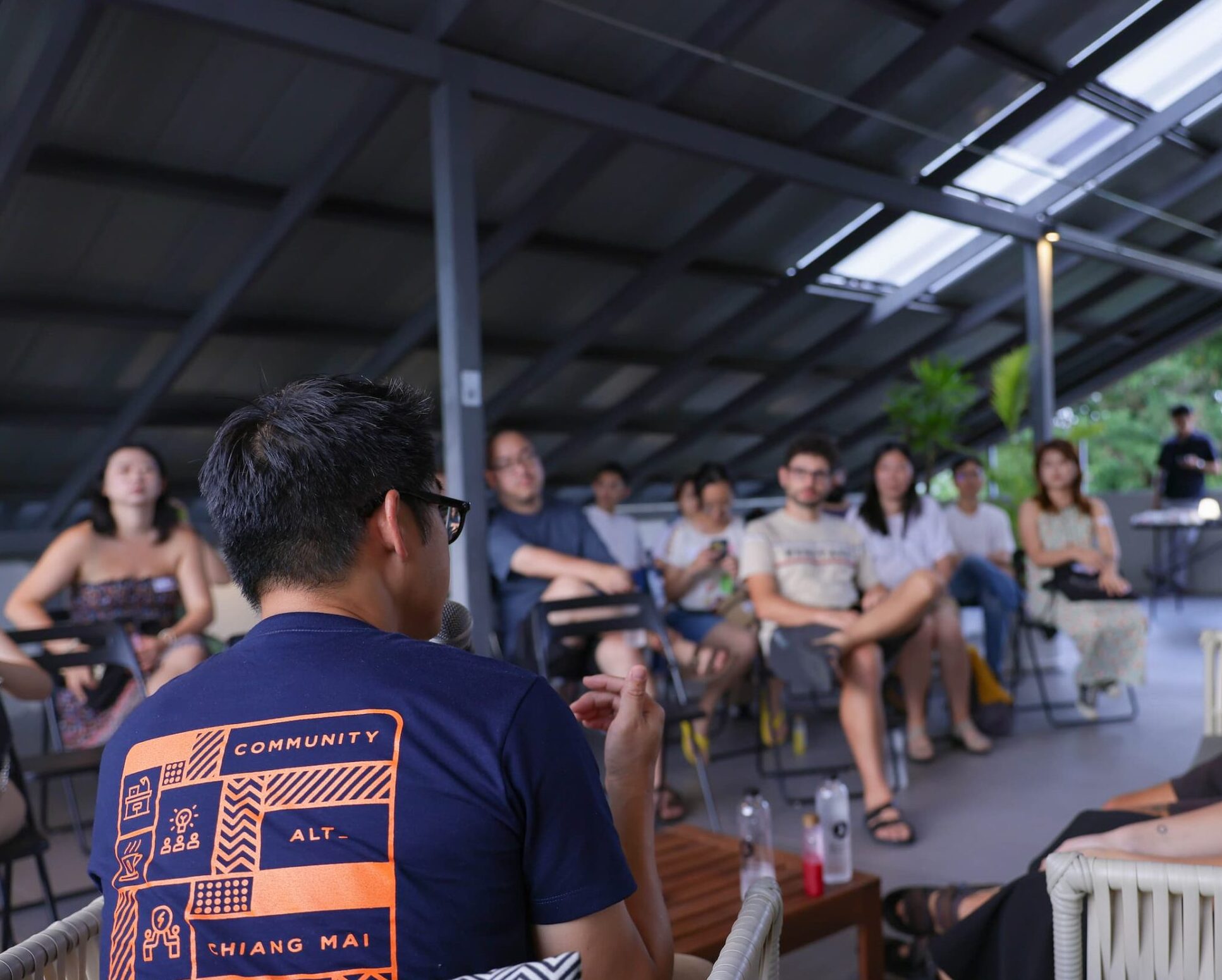
This experience is designed for people who study the future of work, cities, and communities, and want to do that research on the ground, not from a distance. That includes academics and PhD researchers in economics, sociology, urban planning, architecture, public policy, and related fields; postgraduate and advanced undergraduate students looking for a real-world research environment; and independent researchers, urbanists, and policy practitioners working on nomadism, place-making, or the economics of mobility. You don't need to be a digital nomad yourself — you need to be genuinely curious about what happens when global mobility meets local community, and committed to producing work that contributes to that question.
Program Snapshot

1-28 Sept
Chiang Mai

12 Participants,
invitation-first

Final Project:
CosmoLocal Exhibition
4-week program
Our program is structured across four themes
Nomadism & Place
The first week is an immersion. Participants explore Chiang Mai's Wat Ket district through structured fieldwork (meeting residents, business owners, community leaders, and local institutions) to build a grounded understanding of how the neighbourhood experiences the presence of digital nomads.
Readings and seminars frame the research through the lenses of cosmo-localism, visitor economies, and urban identity. Participants define their individual or group research questions for the month.

Infrastructure & Policy
Week 2 shifts focus to the structural level: the policy instruments, physical infrastructure, and governance mechanisms that cities use (or could use) to manage and benefit from nomadic populations.
Participants engage directly with the Nomad Friendly District initiative and meet with government partners and urban planners working on the city's nomad strategy. The week includes design and scenario workshops exploring what equitable nomad-local infrastructure could look like.

Community & Economics
The third week examines the economic and social dimensions of digital nomadism at the community level: who captures value, who is displaced, and what models of integration have worked elsewhere.
Participants conduct fieldwork with local businesses, cultural organisations, and community groups in the Wat Ket area, and begin developing the proposals, frameworks, or research outputs they'll present at the CosmoLocal Exhibition.

Main Week Project: Exhibition
The final week is dedicated to synthesis: turning four weeks of fieldwork, research, and dialogue into clear, communicable outputs.
Teams refine their findings, design proposals, or policy recommendations, and prepare exhibition materials for the CosmoLocal Exhibition during Main Week.
A peer review session with the full cohort and collaborators runs mid-week before the public opening.
What Will You Get After 4 Weeks?
Coliving experience takeaways
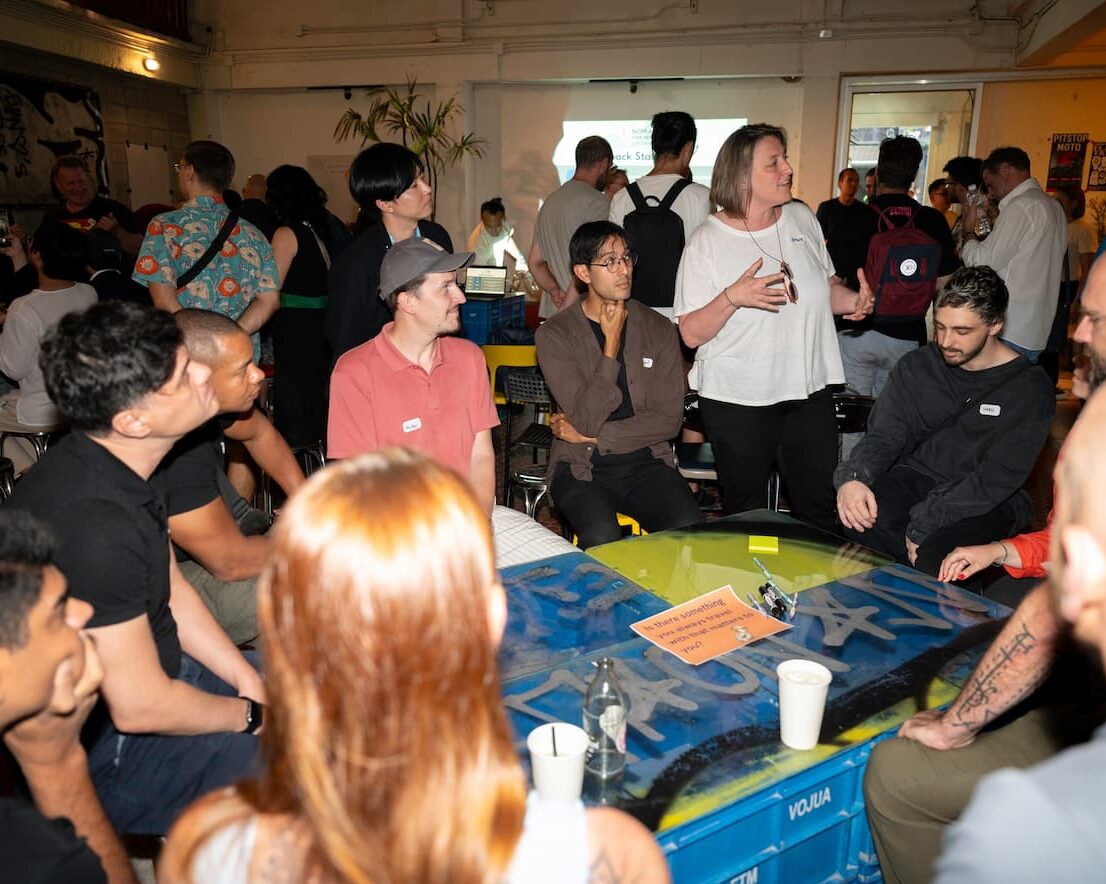
- Direct field research inside a live CosmoLocal community, working with residents, businesses, and policymakers.
- A completed research output, design proposal, or policy brief presented at the CosmoLocal Exhibition.
- Direct engagement with the Nomad Friendly District initiative (one of the few active policy sandboxes for nomad-local integration).
- Meaningful connections with academics, researchers, and practitioners exploring the future of cities and mobility.
- A deeper understanding of Chiang Mai as a global nomad city .
- The experience of presenting your work to a live public audience of policymakers, community members, and researchers.
Cosmo Local CNX
Part of Something Bigger: Cosmo Local CNX
This coliving experience is one of four happening simultaneously under CosmoLocal CNX, a month-long popup village in Chiang Mai's Wat Ket district in September 2026. The other coliving experiences cover Solopreneur, Food That Nourishes Us, and Nomads Future Lab. Each brings together global participants and local communities around a shared theme. The month closes with a Main Week (September 23–28), when all participants and hundreds of additional guests come together for open events and showcases. Learn more about CosmoLocal CNX here.
The Nomad Futures Lab cohort's final project is the CosmoLocal Exhibition: a public-facing showcase held during Main Week presenting the research, design proposals, and policy recommendations produced over the month.
The Exhibition is designed for multiple audiences at once: the academic and research community, Chiang Mai's urban planners and policymakers, the local Wat Ket community, and the broader CosmoLocal CNX gathering. It is the moment when a month of serious fieldwork becomes a contribution to the ongoing conversation about what Chiang Mai (and cities like it) could become.
coworking hub
Where you'll learn and work
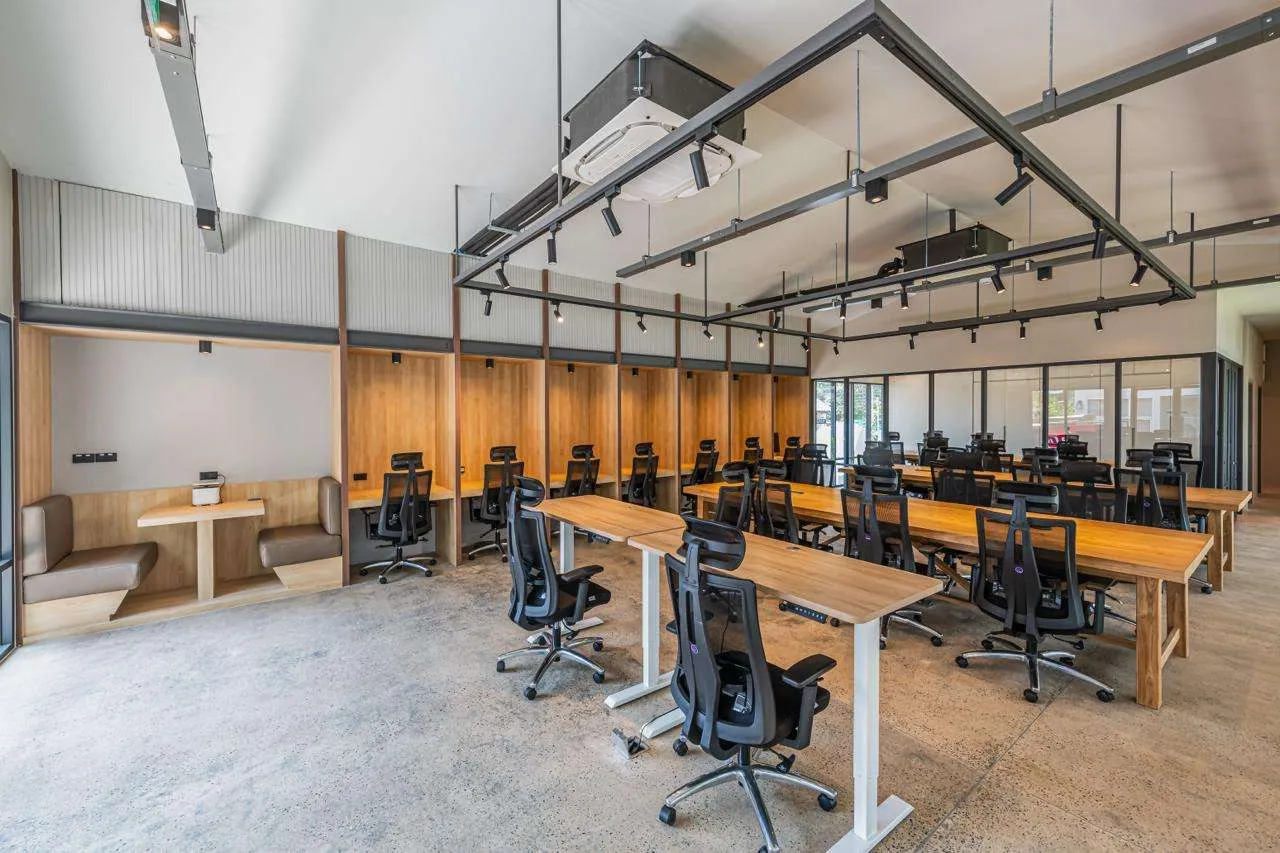
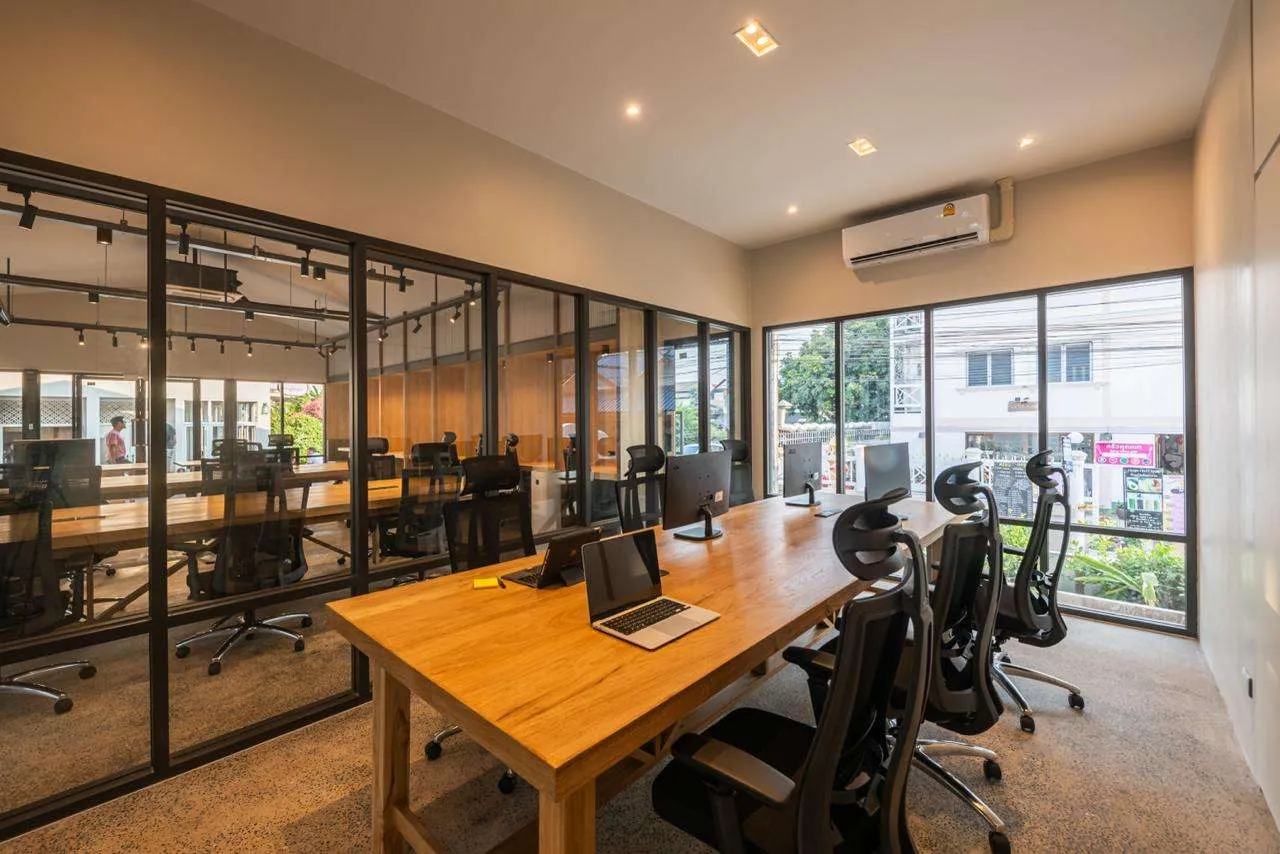
All coliving experience participants across all four tracks have 24/7 access to Alt_PingRiver as their shared coworking hub for the month. Beyond desk space and high-speed internet, it's the venue for smaller workshops, informal cross-track meetups, and day-to-day collaboration.
The space also includes a common kitchen available to all participants for daily cooking, meal prep, and small food events throughout the month.
accommodation
Where you'll stay
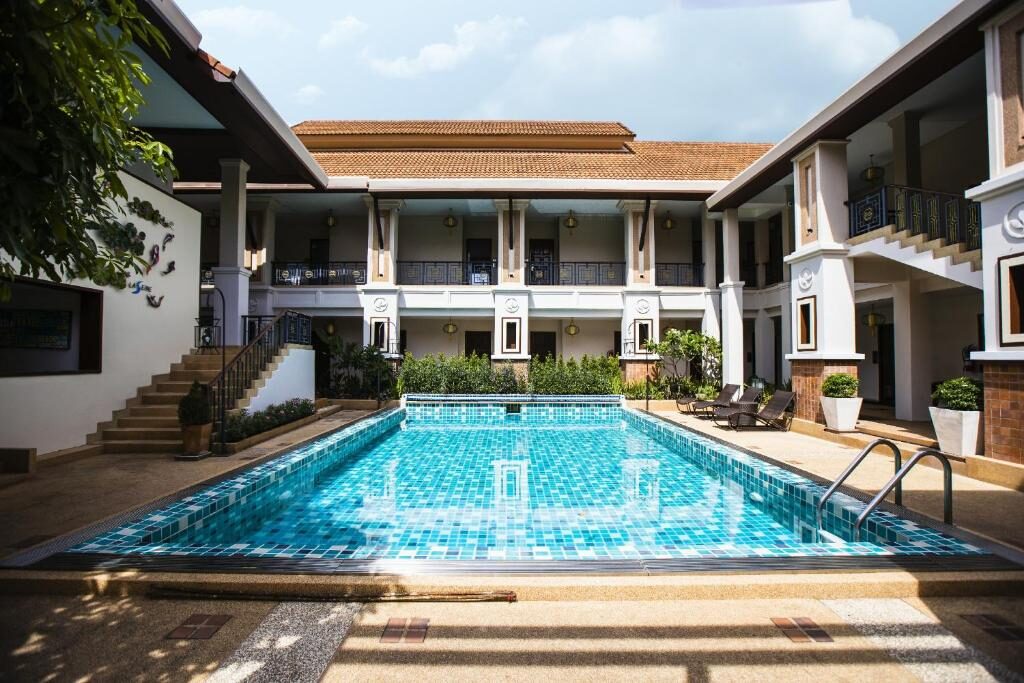
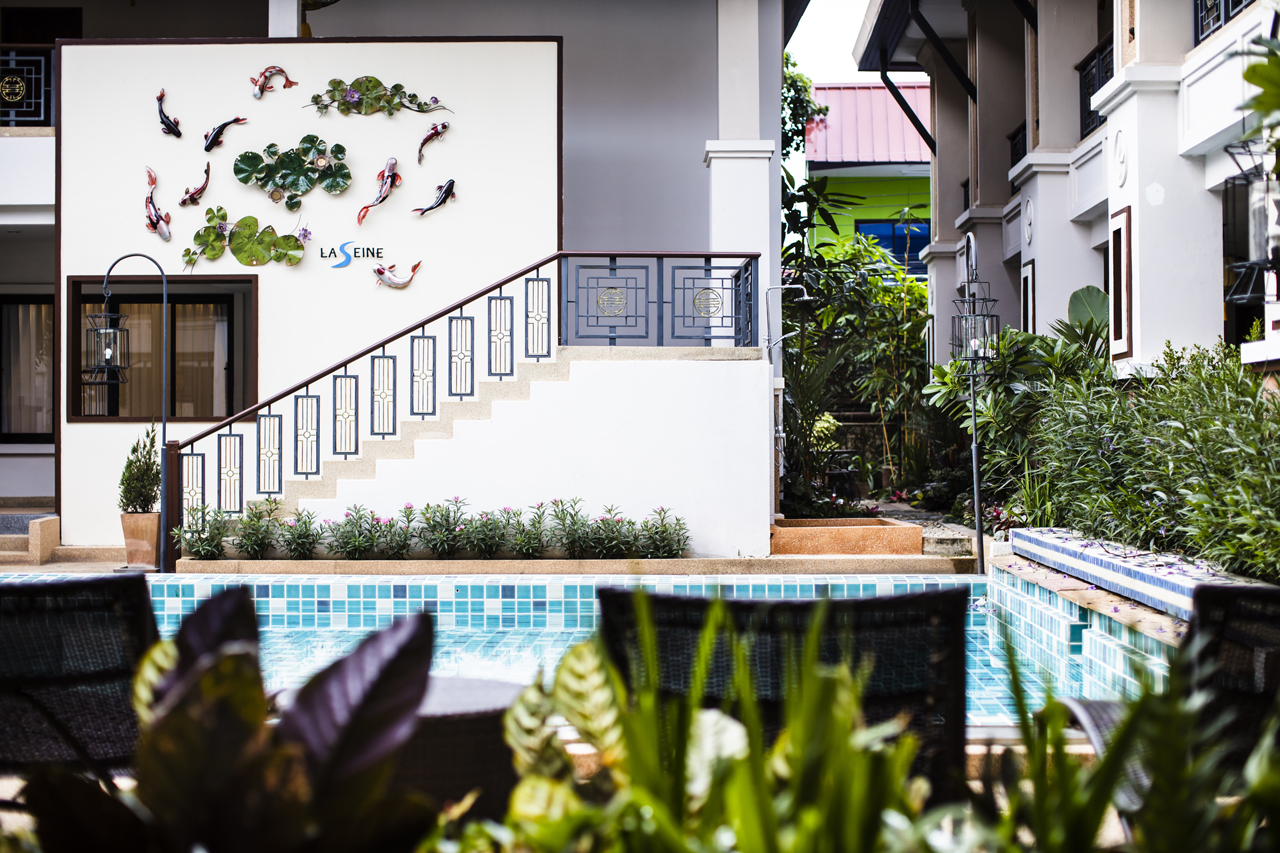
Participants in the Nomad Futures Lab coliving experience stay at La Seine City Resort, Chiang Mai (TBC — pending confirmation)
Packages & Pricing
Stays at La Seine
Superior: USD 1,600 per month
Deluxe: USD 1,800 per month
Double occupancy: add USD 900 per month
collaborators
Who you'll learn from
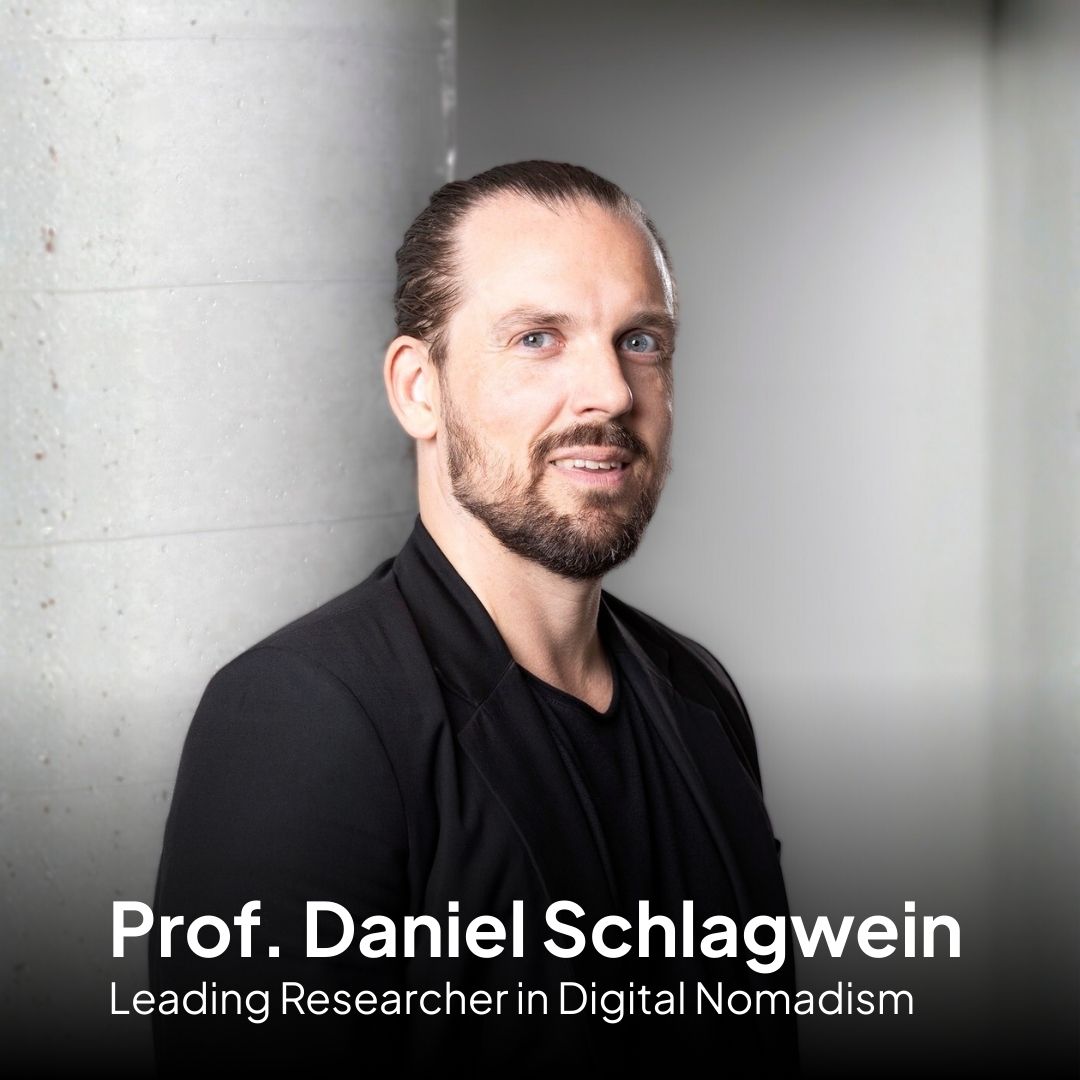
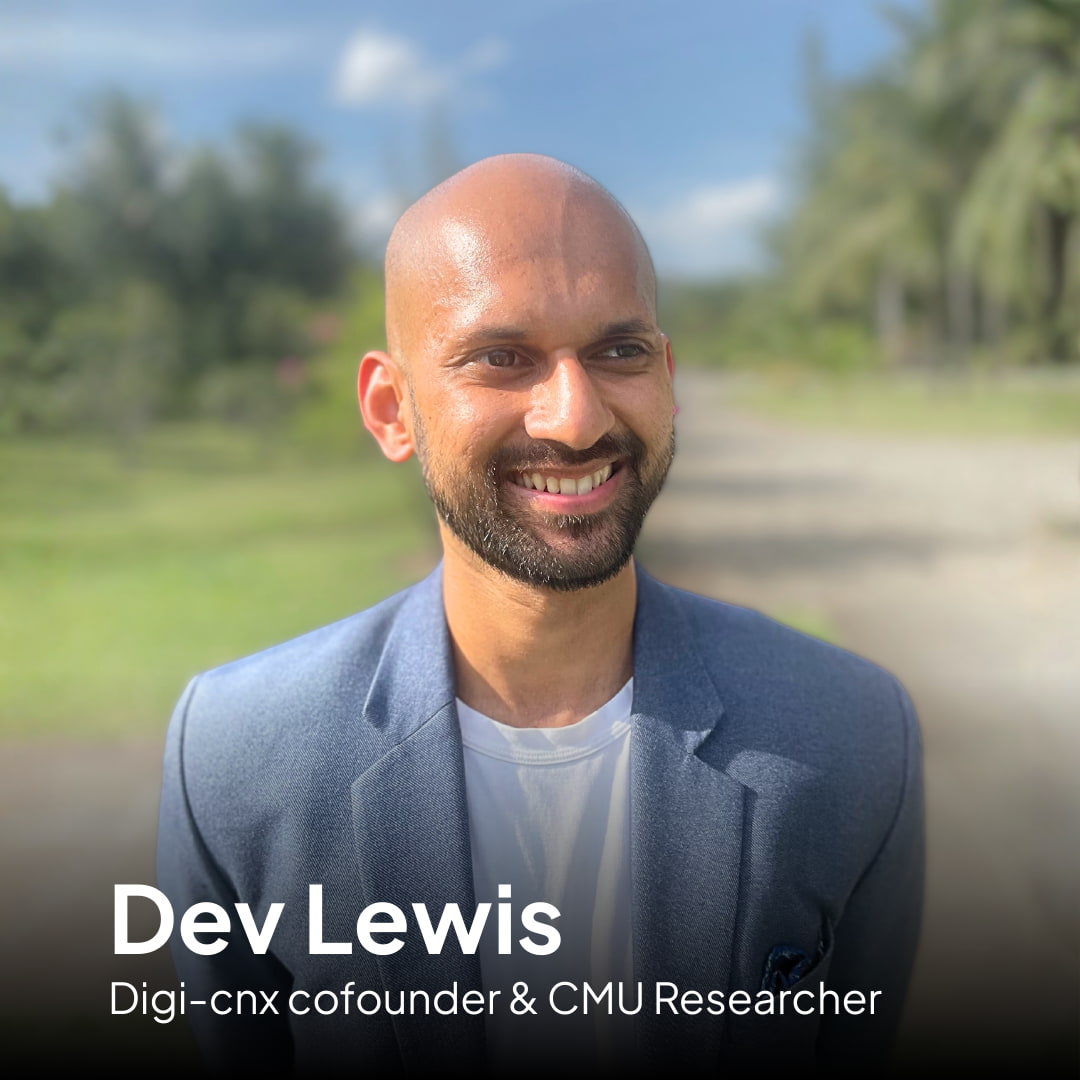
Daniel is a global leader in the study of digital work and one of the academics credited with coining the term ‘digital nomad’.
His research spans crowdsourcing, open work models, and the reshaping of the global workforce. He advises governments and organisations on digital nomad policy.
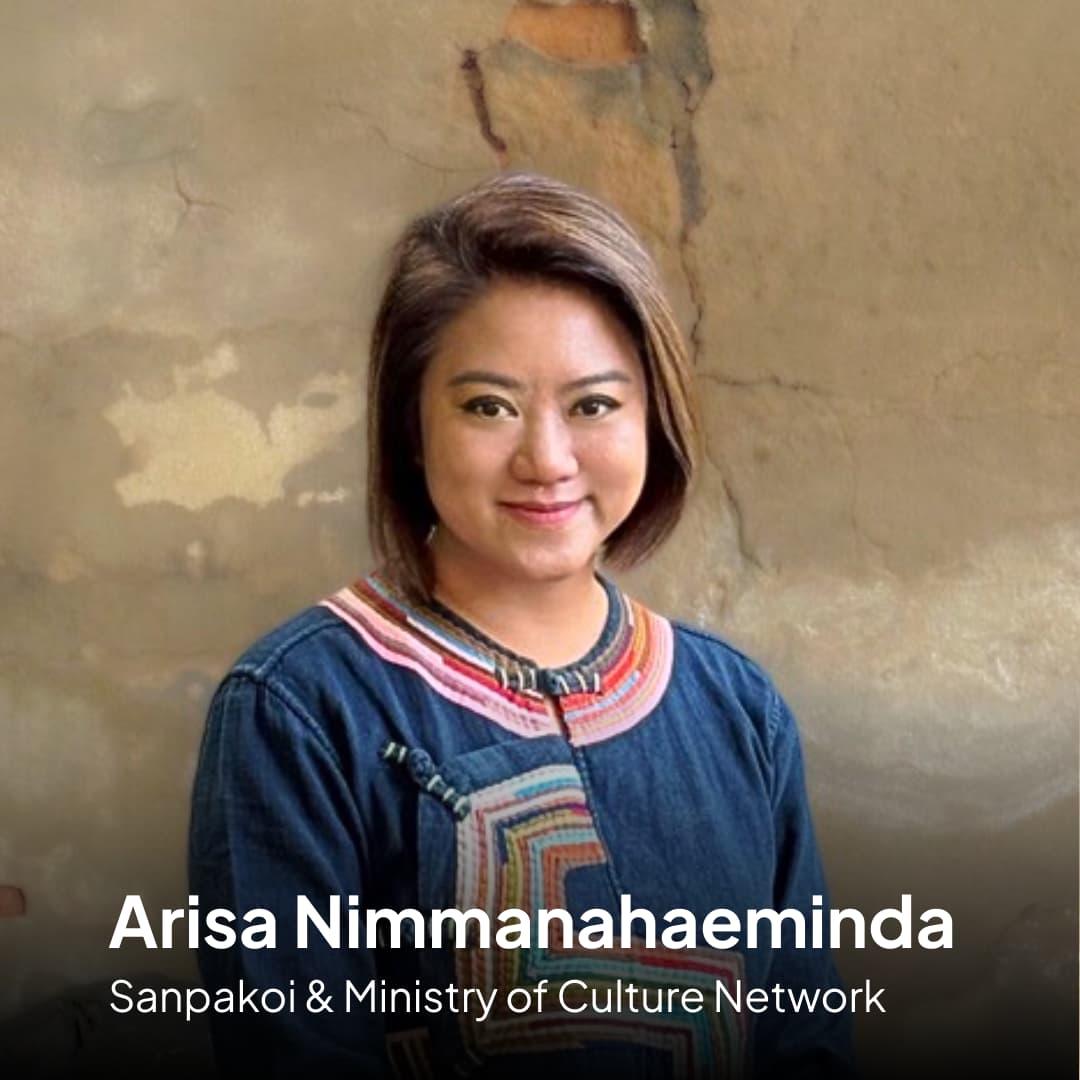
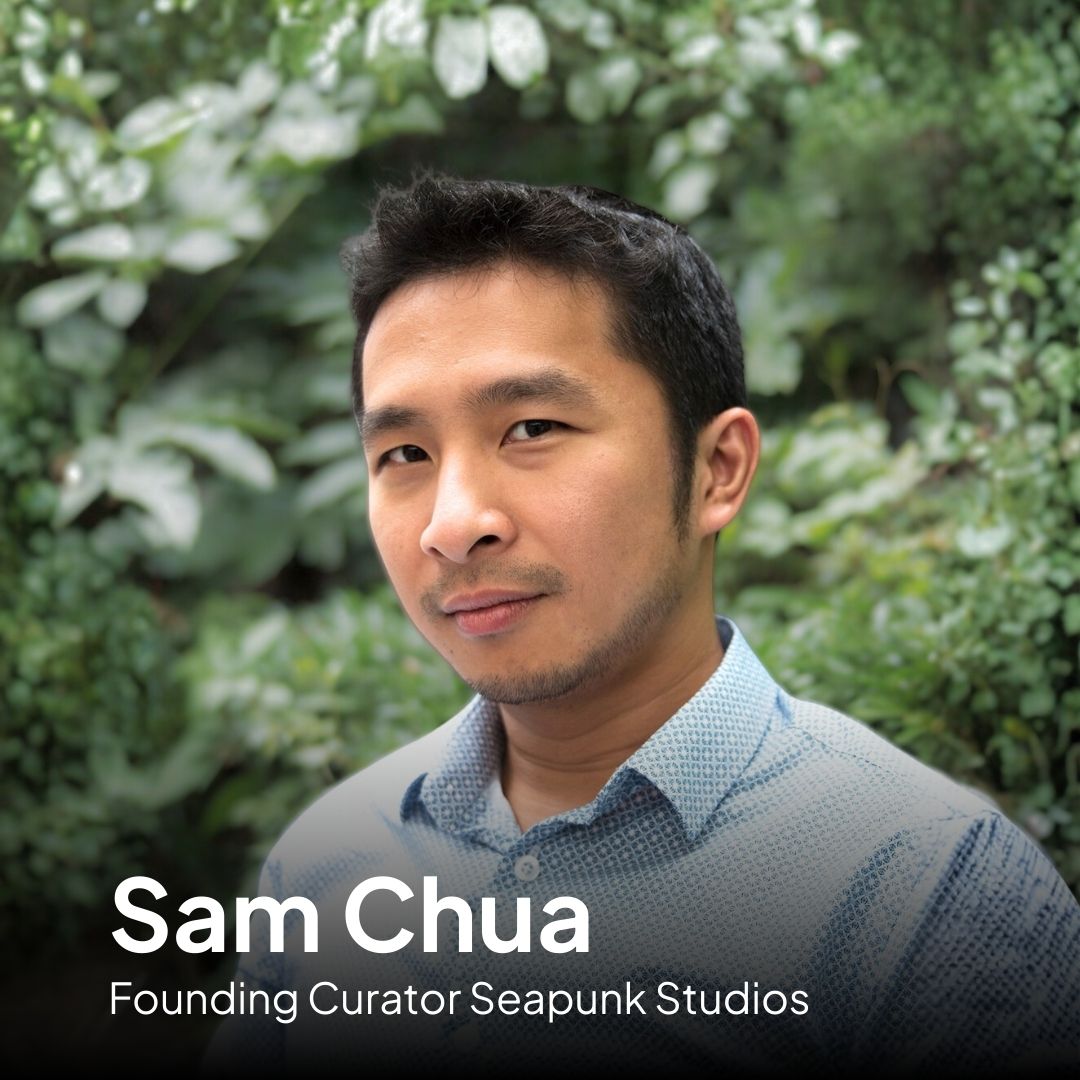
Sam Chua is a cultural entrepreneur, researcher, and founding curator of Seapunk Studios (seapunk.asia), a research and imagination collective exploring solarpunk-inspired futures for Southeast Asia and the Global South.
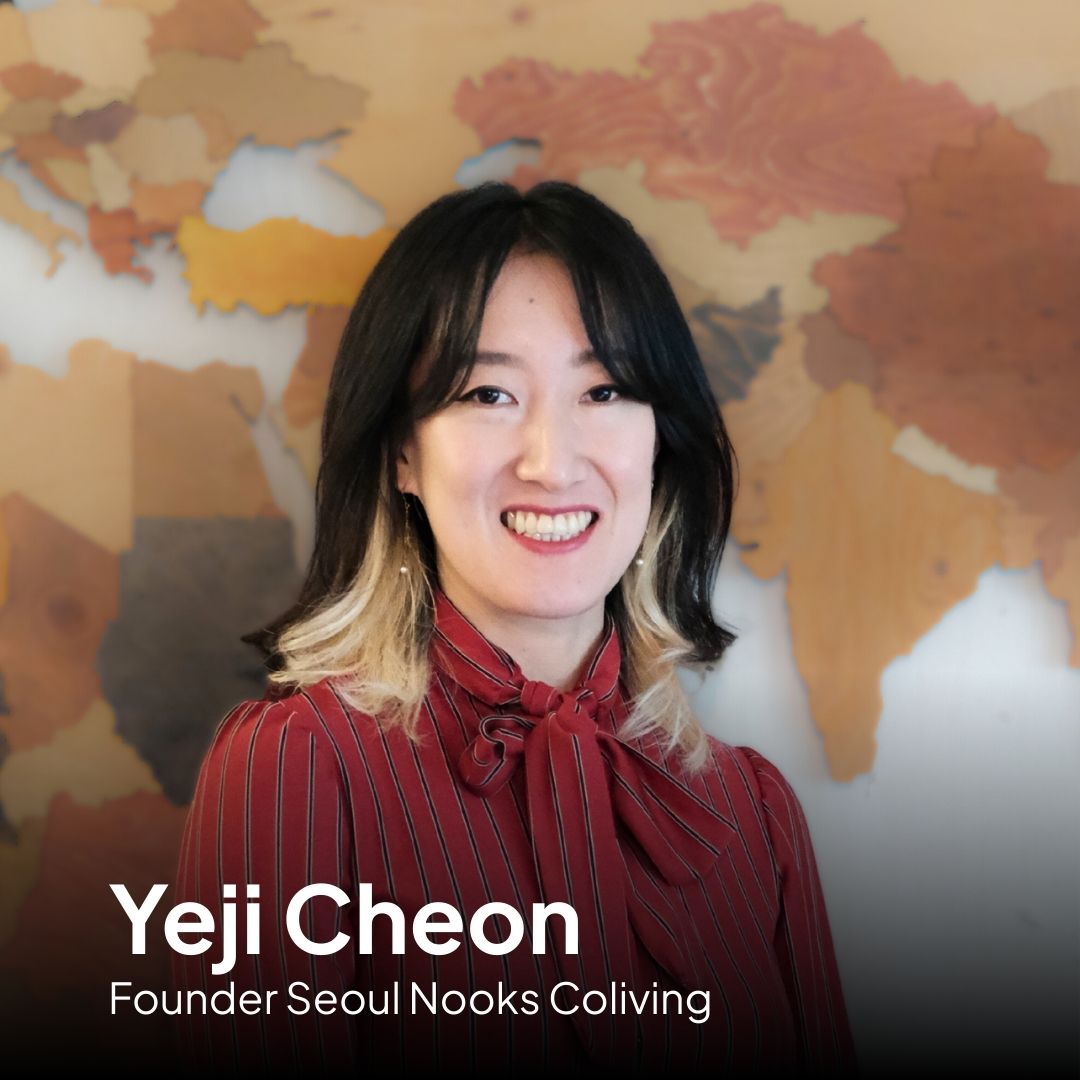
Yeji explores how communities can celebrate difference and thrive together.
She champions Nonviolent Communication and the balance between collectivism and individualism, and speaks internationally on East–West mutual understanding.
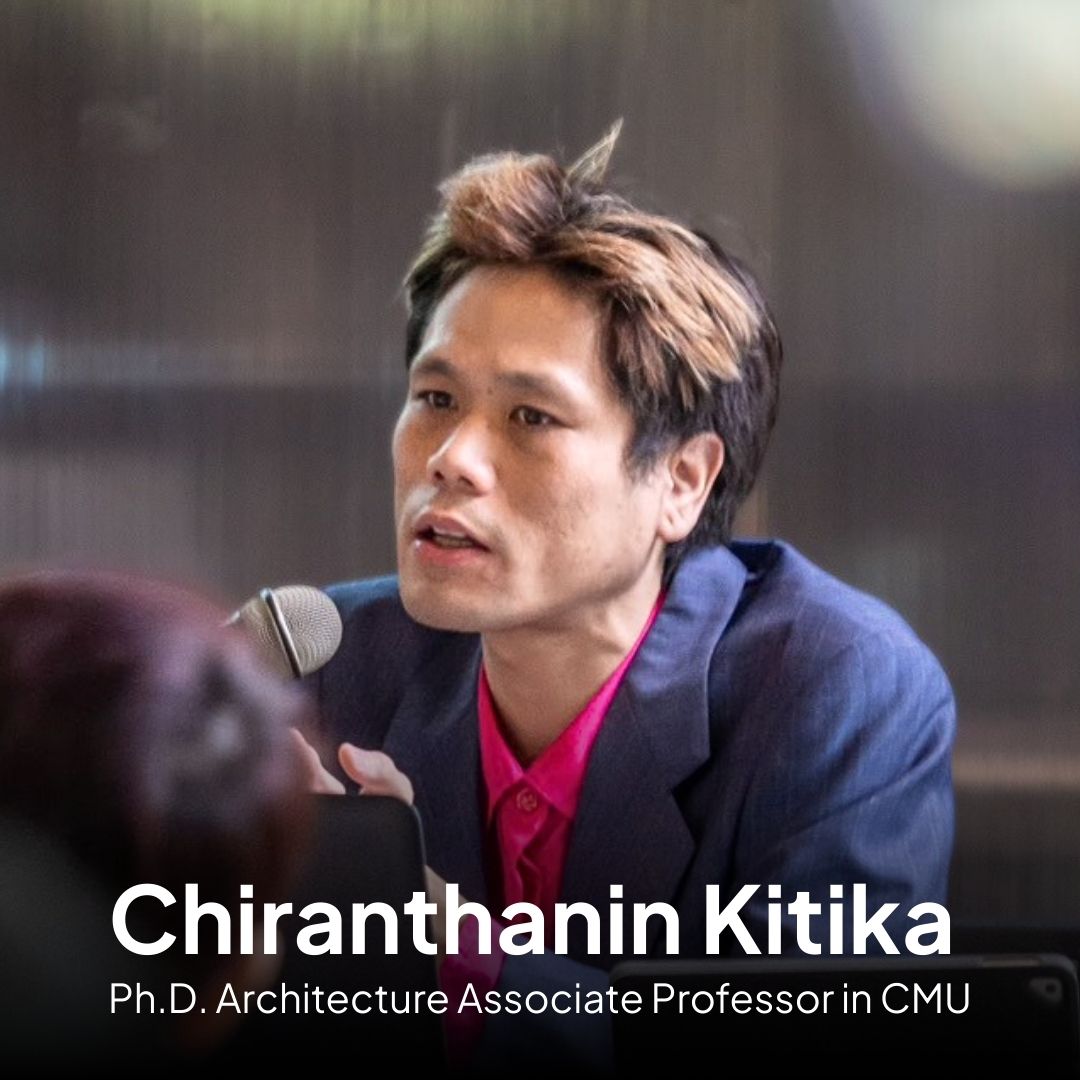
Chiranthanin Kitika (Phuwa) specialises in community-based design, with a focus on urban spaces and social environments.
Deeply rooted in Northern Thailand, his work centres on how local communities can shape their own built environment.
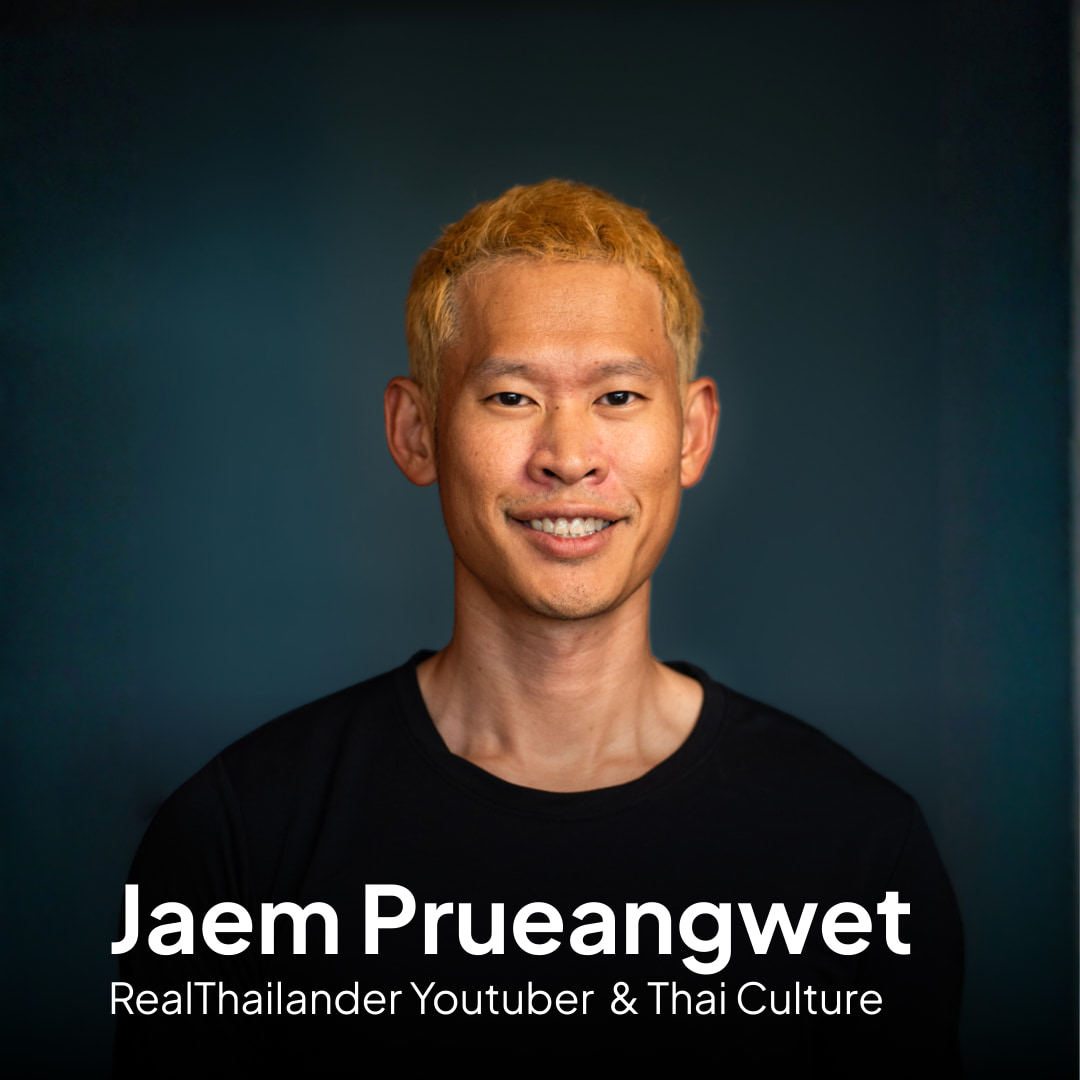
Creator of RealThailander Youtube Channel and a commentator on Thai language, society, and communication. Through thoughtful and sometimes provocative perspectives, he explores the hidden logic behind Thai social norms.
His work helps international audiences better understand Thai people, while also extending into Thai language education through his subscription platform and learning app.
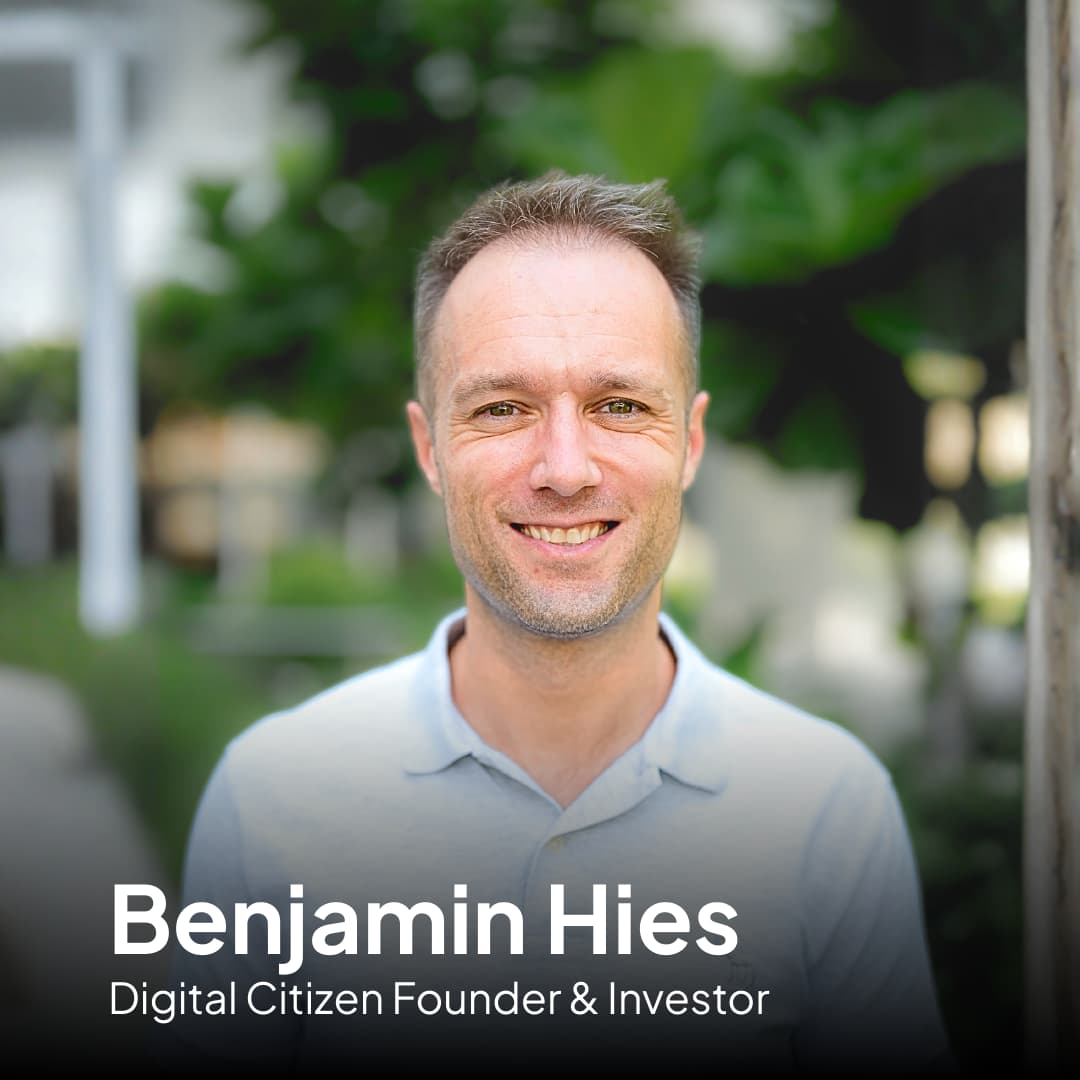
Founder of Digital Citizen, global mobility strategist, and investor with a consulting background spanning seven countries. He builds, franchises, and backs businesses across Southeast Asia at the intersection of mobility, lifestyle, and new ways of working.
As a Visiting Expert at Tetr College of Business, he brings a cross-border perspective shaped by both entrepreneurship and strategy.
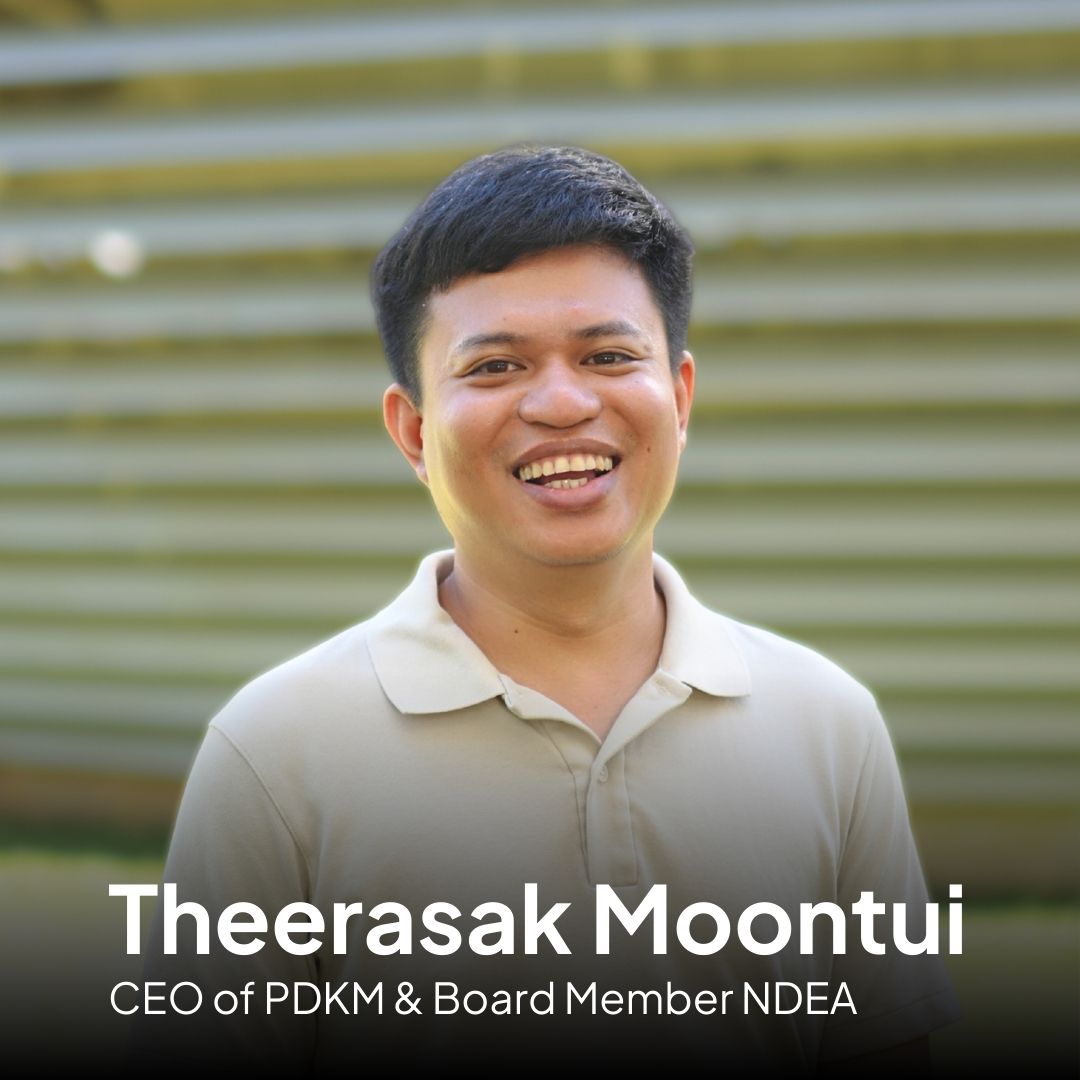
Arm leads PDKM, a venture builder investing in high-potential startups in Northern Thailand. As a Board Member of the NDEA, he bridges government, private sector, academia, and the startup community, all in service of accelerating Chiang Mai’s digital ecosystem.
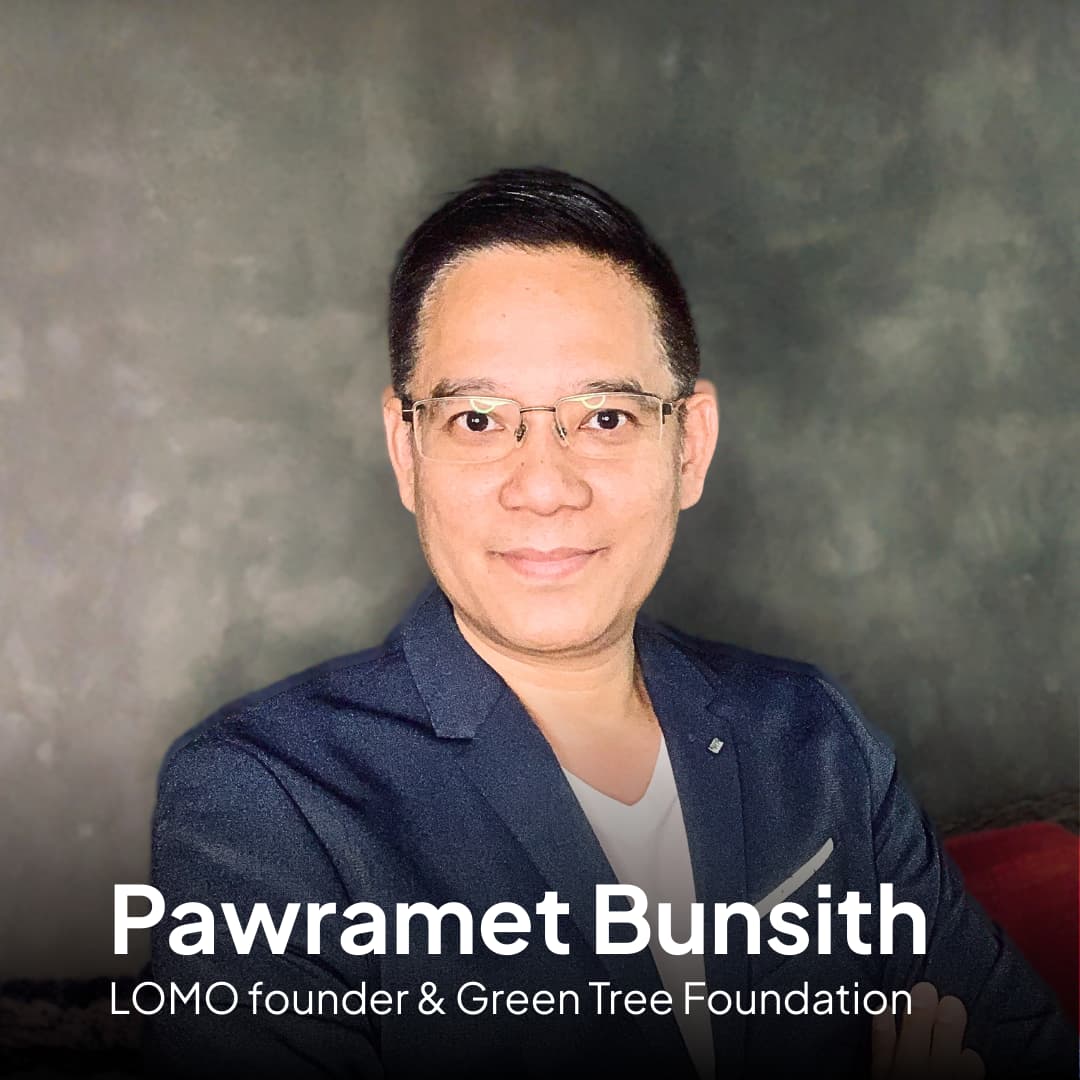
A scholar-practitioner specializing in environmental sustainability and local mobility. He currently serves as Vice Chairman of the Green Tree Foundation and is the founder of LOMO Platform, a Chiang Mai-based micro-mobility startup focused on more sustainable ways of moving through the city.
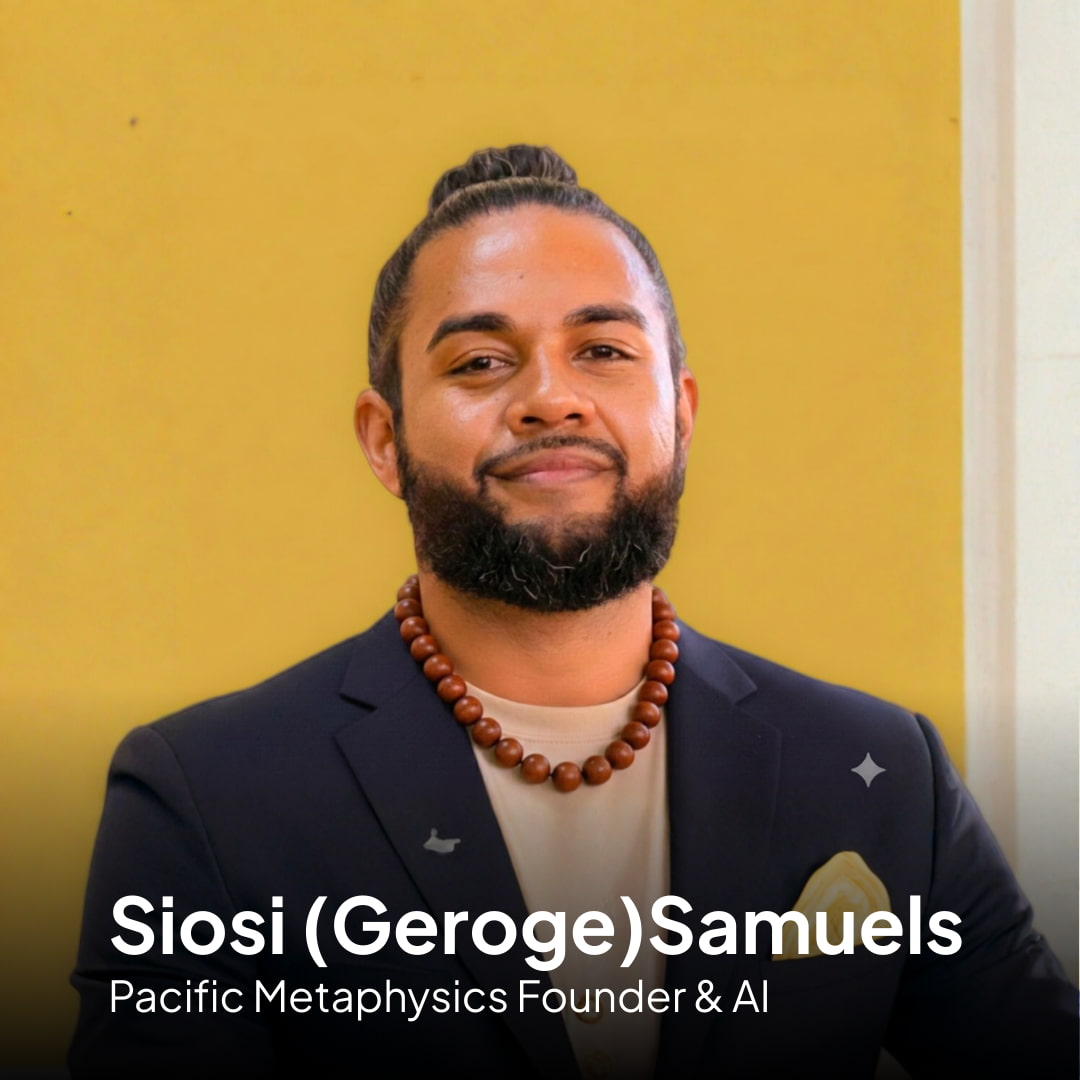
Frequent Asked questions
Any queries?
How do I apply?
Fill out the application form via the Apply Now button above. Tell us about your research background and what you're hoping to investigate during the month. Applications are reviewed on a rolling basis, spots are limited.
Do I need to be an academic to join?
No, but you need to be engaged with research in some capacity. The cohort is open to academics, PhD and postgraduate students, independent researchers, and policy practitioners with a serious research interest. What matters is that you come with a question you want to investigate and a commitment to producing something from it.
What disciplines are relevant?
The Lab is genuinely interdisciplinary. Economics, sociology, urban planning, architecture, public policy, geography, anthropology, information systems, and environmental design are all directly relevant. If your field has something to say about how mobile global workers and local communities share space and resources, you belong here.
Are scholarships available?
Yes. We are working with universities and government partners to make a limited number of scholarship places available for students and early-career researchers. See the Scholarship Programme section above for eligibility and how to apply.
What is the Nomad Friendly District, and why does it matter for this research?
The Nomad Friendly District (NFD) is Chiang Mai's provincial-level policy sandbox, Thailand's first programme designed to test and refine policies for integrating digital nomads into a city's economy and community. Endorsed by the Governor of Chiang Mai and backed by national government agencies, it is one of the only active policy experiments of its kind in the world. Nomad Futures Lab participants have direct access to the people running it, a research opportunity that doesn't exist anywhere else.